
Autonomous Vehicles and the Future of Transportation
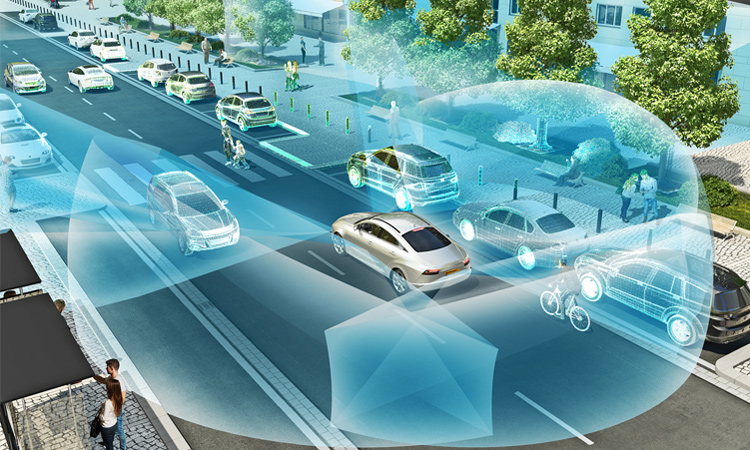
Autonomous vehicles are rapidly transforming how people think about mobility, infrastructure, and urban planning. Powered by artificial intelligence, sensors, and advanced connectivity systems, these vehicles promise safer roads, reduced congestion, and more efficient transportation networks. While still evolving, autonomous technology is already influencing industries such as logistics, ride sharing, and public transit.
As governments, technology companies, and automakers continue investing heavily in this space, autonomous vehicles are becoming a central component of future transportation ecosystems rather than a distant concept.
What Are Autonomous Vehicles
Autonomous vehicles are vehicles capable of sensing their environment and navigating without human intervention. They rely on a combination of technologies including cameras, radar, lidar sensors, artificial intelligence algorithms, and high precision mapping systems.
These vehicles are categorized into different automation levels:
- Level 0: No automation
- Level 1: Driver assistance features like cruise control
- Level 2: Partial automation such as lane centering
- Level 3: Conditional automation requiring occasional human control
- Level 4: High automation in specific environments
- Level 5: Full automation under all conditions without driver input
Currently, most commercially available vehicles operate between Level 2 and Level 3 automation.
Key Technologies Behind Autonomous Vehicles
Autonomous vehicles depend on an integrated network of advanced technologies working together in real time. Each component contributes to safe navigation and decision making.
Sensor Systems
Sensors help vehicles detect objects, measure distances, and monitor surroundings. Common sensor technologies include:
- Lidar for high resolution 3D mapping
- Radar for detecting moving objects
- Cameras for recognizing traffic signals and pedestrians
- Ultrasonic sensors for short range detection
Artificial Intelligence
Artificial intelligence enables vehicles to interpret sensor data and make driving decisions. Machine learning models continuously improve performance through real world driving experience.
Connectivity Systems
Vehicle to vehicle and vehicle to infrastructure communication allows autonomous vehicles to exchange information about traffic conditions, hazards, and route optimization.
High Definition Mapping
Accurate digital maps support lane positioning, road geometry recognition, and navigation precision beyond traditional GPS capabilities.
Benefits of Autonomous Vehicles
Autonomous vehicles offer several advantages that could reshape mobility systems worldwide.
Improved Road Safety
Human error contributes to most traffic accidents globally. Autonomous systems reduce risks associated with fatigue, distraction, and impaired driving.
Reduced Traffic Congestion
Smart routing and coordinated movement between connected vehicles can improve traffic flow and reduce bottlenecks.
Increased Accessibility
Autonomous transportation provides mobility solutions for elderly individuals, people with disabilities, and those unable to drive.
Environmental Sustainability
Optimized driving behavior improves fuel efficiency and supports integration with electric vehicle technologies, reducing emissions.
Enhanced Productivity
Passengers can use travel time for work, communication, or relaxation instead of focusing on driving tasks.
Challenges Facing Autonomous Vehicle Adoption
Despite strong progress, several challenges must be addressed before widespread adoption becomes possible.
Regulatory Frameworks
Governments must develop consistent safety standards, licensing policies, and liability regulations for autonomous systems.
Infrastructure Readiness
Road infrastructure needs upgrades to support connected vehicle communication and smart traffic management systems.
Cybersecurity Risks
Connected vehicles remain vulnerable to hacking threats, making strong digital security essential.
Ethical Decision Making
Programming vehicles to respond appropriately during unavoidable accident scenarios continues to be a complex issue.
Public Trust
Widespread acceptance depends on demonstrating consistent safety performance across diverse driving environments.
Impact on Urban Planning and Smart Cities
Autonomous vehicles are expected to reshape how cities are designed and managed. Urban planners are already exploring new infrastructure models that support automated mobility.
Key transformations may include:
- Reduced need for parking spaces
- Expansion of shared mobility networks
- Integration with smart traffic signals
- Development of dedicated autonomous driving lanes
- Improved last mile transportation solutions
These changes could make cities more efficient, accessible, and environmentally friendly.
Role of Autonomous Vehicles in Logistics and Freight Transport
Autonomous technology is particularly valuable in freight transportation. Long distance trucking routes are ideal for automation because they involve predictable road conditions and fewer complex urban scenarios.
Benefits in logistics include:
- Lower operational costs
- Reduced delivery times
- Improved supply chain efficiency
- Enhanced fuel management
- Increased driver safety support systems
Autonomous delivery vehicles are also becoming common in controlled environments such as warehouses, campuses, and industrial zones.
Economic Implications of Autonomous Transportation
The transition toward autonomous mobility is expected to influence multiple industries beyond automotive manufacturing.
Economic impacts may include:
- Growth in software and artificial intelligence industries
- Increased demand for sensor manufacturing
- New employment opportunities in mobility services
- Changes in insurance sector models
- Expansion of smart infrastructure investments
At the same time, workforce transitions may occur in traditional driving related occupations.
Future Outlook for Autonomous Vehicles
The future of transportation will likely involve collaboration between autonomous vehicles, electric mobility, and intelligent infrastructure systems. Instead of replacing existing transport entirely, autonomous vehicles will complement public transit and shared mobility services.
As testing expands and regulations mature, autonomous vehicles are expected to become a standard component of modern transportation networks within the next decade.
Their integration will reshape how people move within cities, how goods are delivered across regions, and how transportation systems operate globally.
Frequently Asked Questions
1. How do autonomous vehicles detect pedestrians and obstacles
Autonomous vehicles use a combination of cameras, radar, and lidar sensors to identify objects in real time and predict movement patterns around the vehicle.
2. Will autonomous vehicles eliminate the need for driving licenses
Fully autonomous vehicles may reduce reliance on traditional driving licenses, but regulatory requirements will likely vary by region during the transition period.
3. Are autonomous vehicles compatible with electric vehicle technology
Yes. Many autonomous vehicle platforms are being developed alongside electric powertrains because both technologies support sustainable transportation goals.
4. How do autonomous vehicles perform in extreme weather conditions
Performance can be affected by heavy rain, snow, or fog, but ongoing improvements in sensor fusion and artificial intelligence are addressing these limitations.
5. Can autonomous vehicles communicate with traffic signals
Yes. Connected infrastructure allows vehicles to exchange information with smart traffic signals to improve traffic flow and safety.
6. What industries will benefit most from autonomous vehicle adoption
Logistics, ride sharing, insurance, infrastructure development, and artificial intelligence sectors are expected to experience significant transformation.
7. How will autonomous vehicles change long distance travel experiences
Autonomous systems may make long journeys safer and more comfortable by allowing passengers to rest, work, or engage in other activities while traveling.