
A Quick Guide to Emergency Building Repairs for Business Owners
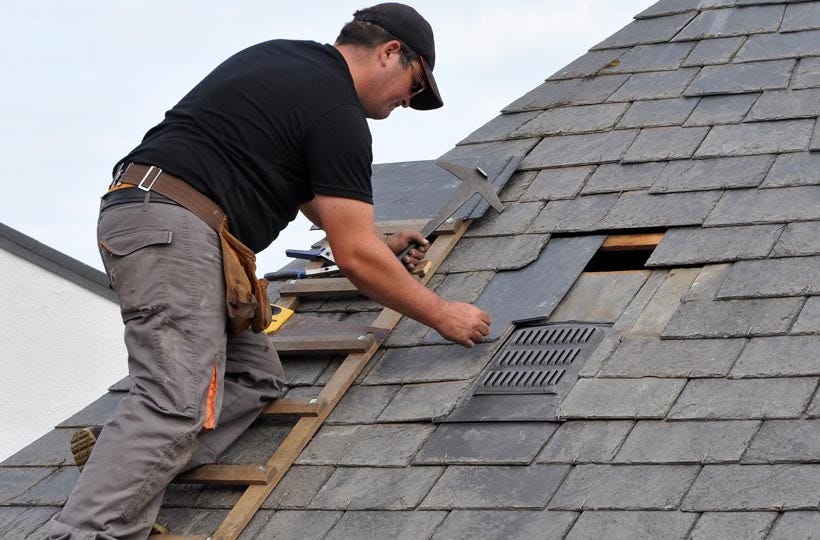
When an emergency strikes, business owners need to act quickly to protect their property, employees, and customers. Whether it’s a sudden leak, structural damage, or fire-related issues, knowing how to respond effectively can make all the difference. Here’s how Australian business owners can manage emergency building repairs and minimise disruption.
Understanding Emergency Repairs
Emergency building repairs address issues that could threaten the safety of a building, disrupt business operations, or cause further damage if not resolved immediately. Examples include roof damage, electrical failures, plumbing issues, or damage caused by storms or accidents.
Steps to Managing Emergency Repairs
- Prioritise Safety
Your first step should always be ensuring the safety of everyone onsite. If the building becomes hazardous—for instance, due to exposed electrical wires or structural instability—evacuate the premises and alert emergency services if necessary.
- Assess the Damage
Perform a quick visual inspection to determine the extent and type of damage. This can help you prioritise repairs and highlight potential risks, but only do so if it’s safe. For example, if a recent storm has left you with roof damage, identify whether any materials have fallen or whether leaks are affecting critical areas of the building.
- Contact Professionals
Once the immediate threat has been addressed, get in touch with relevant professionals. Tradespeople who specialise in areas such as plumbing, electrical work, and roofing in Perth are often equipped to handle emergency situations. Many offer 24/7 services to ensure businesses like yours can get back on track as soon as possible.
- Secure the Area
If repairs cannot be completed immediately, ensure the affected area is safe and secure. This may mean boarding up windows, tarping a damaged roof, or cordoning off hazardous areas to prevent further injury or property loss.
- Keep Records
Document everything, from photos of the damage to invoices for repair work. These records can be critical for insurance claims and assist in troubleshooting if similar issues arise in the future.
- Check Your Insurance
Review your insurance policy to understand what emergency repairs are covered. Most comprehensive business insurance policies include provisions for property damage, but familiarising yourself with the details in advance can save valuable time.
Preparing for Future Emergencies
Emergency building repairs can be disruptive, but preparation can help prevent or minimise the damage.
- Conduct regular inspections to identify potential issues before they escalate, such as cracks in walls or ageing electrical systems.
- Keep an emergency contact list, including trusted local tradespeople, nearby fire services, and your insurance provider.
- Invest in preventative measures, like reinforcing roofs and drainage systems, particularly in areas prone to storms.
Staying Resilient
Emergencies are often unpredictable, but with the right approach, businesses can quickly bounce back. By prioritising safety, securing expert repairs, and maintaining strong records, you’re well-prepared to handle whatever challenges come your way.
With these tips in mind, Australian business owners can make informed decisions to ensure both their property and people remain protected during unplanned building emergencies.