How Store Layouts Influence Customer Purchases
Introduction
Retail success depends on more than product quality and pricing. The physical arrangement of a store strongly shapes how customers move, what they notice, how long they stay, and ultimately what they buy. A well-designed store layout quietly guides shoppers through a journey that increases engagement and encourages additional purchases without pressure.
Retailers across supermarkets, fashion outlets, electronics stores, and lifestyle chains use layout strategies to influence customer behavior in predictable and measurable ways. Understanding how these layouts work helps businesses improve sales performance while creating a smoother shopping experience.
Why Store Layout Matters in Retail Strategy
Store layout determines how customers navigate a space. It affects visibility, accessibility, comfort level, and decision-making speed.
A thoughtful layout helps retailers:
- Increase product exposure
- Extend browsing time
- Encourage impulse purchases
- Improve customer satisfaction
- Reduce congestion and confusion
- Highlight promotional items effectively
Customers rarely explore every corner of a store on their own. Layout design subtly directs attention toward profitable areas.
Types of Store Layouts That Influence Buying Behavior
Retailers choose layouts based on store size, product category, and target audience. Each layout creates a different shopping pattern.
Grid Layout
Common in supermarkets and pharmacies, the grid layout uses straight aisles arranged in parallel lines.
Benefits include:
- Easy navigation
- Maximum product display space
- Efficient stocking and restocking
- Encourages routine purchasing behavior
However, it may limit exploration unless supported by promotional displays.
Loop Layout
Also known as the racetrack layout, this structure guides customers along a fixed path that passes multiple product sections.
Retailers use this layout to:
- Expose shoppers to more merchandise
- Control traffic flow
- Highlight seasonal collections
- Increase browsing duration
Many large lifestyle and department stores rely on this strategy.
Free-Flow Layout
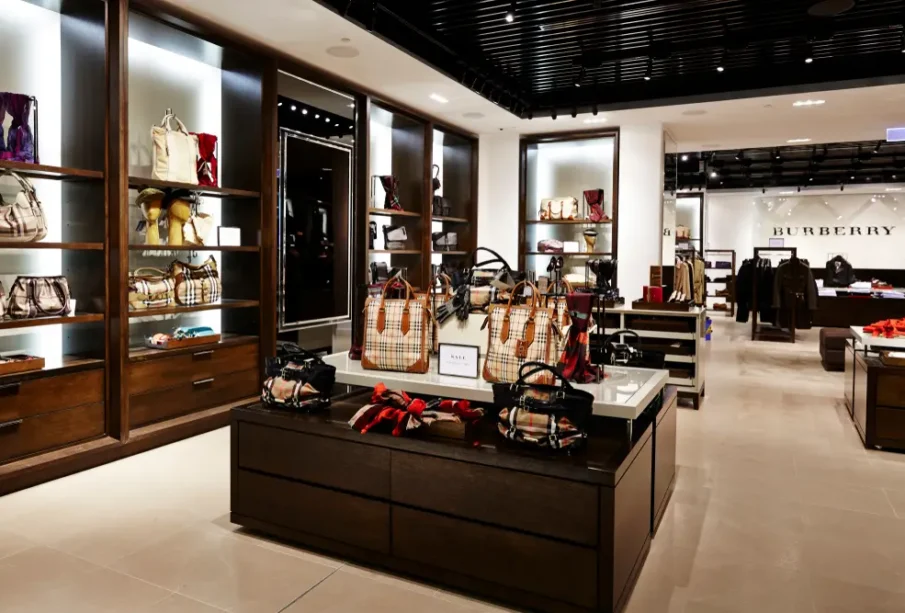
Common in boutique stores, the free-flow layout allows customers to move organically throughout the space.
This layout supports:
- Relaxed browsing
- Discovery-based shopping
- Premium product storytelling
- Emotional connection with merchandise
It works best for fashion, furniture, and specialty retail environments.
The Role of Entry Points in Purchase Decision
The first few steps inside a store shape customer expectations. Retail experts often call this area the decompression zone.
Customers entering a store typically:
- Adjust to lighting and space
- Scan surroundings quickly
- Ignore complex messaging initially
- Begin forming impressions about quality and pricing
Retailers often place fresh produce, featured collections, or lifestyle displays near entrances to create a positive first impression and encourage deeper exploration.
Product Placement Strategies That Increase Sales
Strategic placement plays a central role in influencing buying behavior.
Eye-Level Placement
Products positioned at eye level receive the highest attention and generate stronger sales compared to items placed higher or lower.
Retailers often reserve these spots for:
- Premium products
- High-margin items
- Popular brands
- New arrivals
Cross-Merchandising
Placing complementary products together increases basket size naturally.
Examples include:
- Pasta placed near sauces
- Shirts displayed with matching trousers
- Mobile phones near accessories
Customers appreciate convenience and often purchase related items when grouped logically.
End-Cap Displays
End-of-aisle displays attract strong visibility and influence impulse decisions.
Retailers use them to promote:
- Discounts
- Seasonal goods
- New launches
- High-demand products
These areas generate some of the highest conversion rates inside stores.
Store Navigation and Customer Movement Patterns
Research shows most shoppers naturally turn right after entering a store. Retailers design layouts to match this behavior.
Strategic navigation planning helps:
- Increase product exposure time
- Reduce overlooked sections
- Improve traffic distribution
- Highlight promotional zones
Wide aisles create comfort, while narrow paths increase exposure to nearby products. The balance depends on store positioning and brand identity.
Lighting and Visual Hierarchy in Layout Design
Lighting shapes perception and influences purchase intent.
Retailers use lighting to:
- Highlight featured products
- Create mood and atmosphere
- Guide visual attention
- Improve product clarity
For example, warm lighting supports lifestyle storytelling, while bright white lighting improves visibility in supermarkets and electronics stores.
Visual hierarchy ensures customers notice priority items first, followed by secondary merchandise.
Checkout Placement and Impulse Purchases
Checkout areas represent one of the most powerful selling zones in a store.
Retailers place small, low-cost products near billing counters because customers are more likely to make quick decisions while waiting.
Common checkout products include:
- Snacks
- Batteries
- Travel-size essentials
- Accessories
These items increase total purchase value without requiring additional effort from shoppers.
Store Layout and Customer Comfort
Comfort strongly influences how long customers remain inside a store.
Effective layouts include:
- Clear walking paths
- Logical product grouping
- Accessible shelves
- Adequate lighting
- Visible signage
When customers feel relaxed and confident navigating a store, they explore more sections and spend more time browsing.
Longer visits often translate into higher purchase probability.
Technology Integration in Modern Store Layouts
Retail environments increasingly combine physical layout strategies with digital tools.
Examples include:
- Interactive product displays
- Smart navigation screens
- Digital pricing labels
- Sensor-based traffic tracking
These tools help retailers understand movement patterns and continuously refine layout performance.
Data-driven layout optimization improves both customer experience and revenue outcomes.
Psychological Triggers Embedded in Store Layouts
Store layouts influence emotions as much as movement.
Retailers design spaces to encourage:
- Curiosity
- Comfort
- Discovery
- Urgency
- Trust
Music, spacing, product sequencing, and display structure all work together to shape buying decisions subconsciously.
Customers often believe purchases are spontaneous, while in reality layout planning plays a strong supporting role.
Conclusion
Store layouts quietly guide customers through a structured experience that increases engagement, improves navigation, and encourages additional purchases. From entrance design to checkout placement, every physical detail influences decision-making patterns. Businesses that understand these layout principles create environments that support both customer satisfaction and long-term sales growth.
FAQ Section
1. How does store layout affect customer browsing time
A structured layout encourages customers to explore more sections of the store, increasing exposure to products and extending overall browsing duration.
2. Which store layout works best for small retail shops
Free-flow layouts work well for small stores because they create flexibility and allow customers to move comfortably without strict directional paths.
3. Why do retailers place essential products at the back of stores
Placing essential items deeper inside the store encourages customers to pass multiple product categories, increasing opportunities for additional purchases.
4. How often should retailers change their store layout
Minor adjustments can be made seasonally, while major layout redesigns are typically performed based on performance analytics or branding changes.
5. Does store layout influence customer loyalty
Yes. Easy navigation, comfortable spacing, and logical product placement improve satisfaction and increase the likelihood of repeat visits.
6. What role does signage play in store layout effectiveness
Clear signage helps customers find products quickly, reduces confusion, and improves overall shopping efficiency.
7. Can store layout influence impulse buying behavior
Yes. Strategic placement near entrances, aisle ends, and checkout counters increases visibility and encourages unplanned purchases.