Electric Vehicles vs Petrol Cars: A Complete Automotive Guide for Modern Drivers
The automotive industry is undergoing a major transformation as electric vehicles continue to gain attention alongside traditional petrol-powered cars. Buyers today are no longer choosing vehicles based only on brand or styling. Instead, decisions increasingly depend on long-term cost, environmental impact, maintenance needs, and technological features.
Understanding the real-world differences between electric vehicles and petrol cars helps drivers make smarter purchasing choices that match their lifestyle and driving habits.
What Defines an Electric Vehicle and a Petrol Car
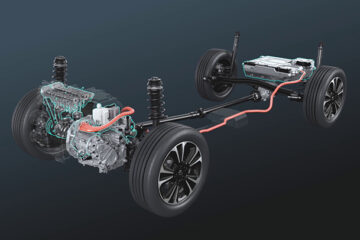
Electric vehicles operate using battery-powered electric motors rather than internal combustion engines. They store energy in rechargeable battery packs and deliver smooth acceleration without burning fuel.
Petrol cars rely on internal combustion engines that convert fuel into mechanical energy through controlled explosions inside the engine cylinder. This technology has powered automobiles for over a century and remains widely available across global markets.
Key distinctions include:
- Power source
- Maintenance requirements
- Operating cost
- Environmental footprint
- Driving experience
- Infrastructure dependence
Each of these factors plays a role in determining which vehicle type suits a particular driver.
Purchase Cost Comparison
The upfront cost of electric vehicles is generally higher than petrol cars due to battery technology expenses. However, the price gap is gradually narrowing as production scales increase and battery manufacturing improves.
Petrol cars still remain more affordable at entry-level price points, making them attractive for budget-conscious buyers.
Electric vehicles often compensate for higher purchase prices through long-term operational savings.
Typical cost considerations include:
- Battery pack technology
- Government incentives in some regions
- Fuel savings over time
- Reduced servicing expenses
- Resale value trends
Buyers who plan to keep vehicles longer often recover initial EV investment through lower running costs.
Running Cost and Fuel Efficiency
Electric vehicles are significantly cheaper to operate per kilometer compared to petrol cars because electricity costs less than fuel in most regions.
Electric drivetrains also convert energy more efficiently than combustion engines.
Major operating cost advantages of electric vehicles include:
- Lower energy cost per kilometer
- Reduced dependency on fluctuating fuel prices
- Possibility of home charging
- Regenerative braking improves efficiency
Petrol cars remain convenient where charging infrastructure is limited, especially for long-distance travel.
Maintenance Requirements
Electric vehicles contain fewer moving components than petrol-powered vehicles. As a result, they typically require less frequent servicing.
Common maintenance differences include:
Electric vehicles usually require:
- Battery health checks
- Software updates
- Brake inspection
- Tire maintenance
Petrol vehicles typically require:
- Engine oil replacement
- Spark plug replacement
- Exhaust system maintenance
- Fuel filter servicing
- Transmission servicing
Lower mechanical complexity gives electric vehicles an advantage in long-term maintenance planning.
Driving Experience and Performance
Electric vehicles deliver instant torque, which provides faster acceleration from a stationary position. This creates a smoother and quieter driving experience compared to petrol cars.
Drivers often notice these performance benefits:
- Immediate throttle response
- Reduced cabin vibration
- Silent operation
- Lower gear-shifting interruptions
Petrol vehicles still appeal to enthusiasts who enjoy engine sound feedback and manual transmission control.
Driving preference remains a personal decision influenced by comfort expectations and usage patterns.
Environmental Impact
Electric vehicles produce no tailpipe emissions during operation. This contributes to improved air quality in urban areas and supports global emission reduction goals.
Environmental benefits include:
- Reduced carbon dioxide emissions
- Lower urban pollution levels
- Support for renewable energy integration
- Reduced dependence on fossil fuels
Petrol vehicles continue to contribute to greenhouse gas emissions despite improvements in engine efficiency.
Battery production still has environmental impacts, but lifecycle emissions for electric vehicles are generally lower over time.
Charging Infrastructure vs Fuel Availability
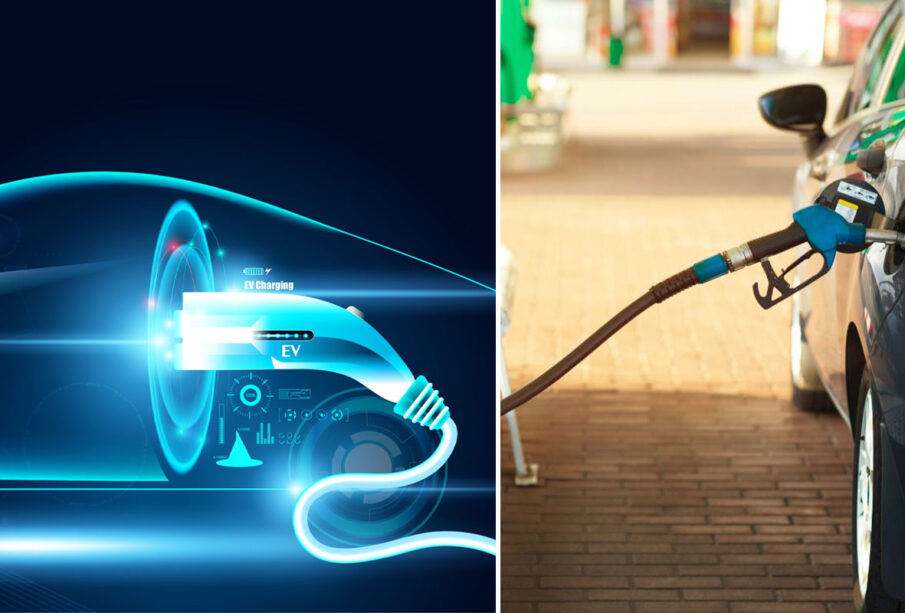
Petrol stations remain widely available across highways, cities, and rural regions. Refueling takes only a few minutes, making petrol vehicles convenient for long-distance travel.
Electric vehicles rely on charging infrastructure that varies by location.
Charging options typically include:
- Home charging systems
- Workplace charging stations
- Public fast chargers
- Highway charging corridors
Infrastructure growth continues rapidly in many countries, improving EV practicality each year.
Long-Term Ownership Value
Electric vehicles tend to offer strong long-term savings through reduced maintenance and lower energy costs. However, battery replacement considerations may influence ownership planning beyond extended usage periods.
Petrol vehicles offer predictable servicing networks and widespread mechanic availability.
Factors affecting long-term value include:
- Battery durability
- Fuel price trends
- Technology updates
- Government regulations
- Urban emission policies
Choosing the right vehicle depends on driving distance, charging access, and ownership duration expectations.
Which Vehicle Type Is Better for Daily Use
Electric vehicles are ideal for drivers who:
- Commute within predictable distances
- Have access to home charging
- Prefer lower maintenance vehicles
- Want reduced fuel expenses
- Drive mostly in urban environments
Petrol vehicles remain practical for drivers who:
- Travel long highway distances frequently
- Lack reliable charging access
- Prefer lower upfront purchase cost
- Need flexible refueling options anywhere
Understanding personal usage patterns helps determine the most suitable choice.
Frequently Asked Questions
Are electric vehicles safe during heavy rain or flooding conditions
Electric vehicles are designed with sealed battery systems and strict safety standards that protect components from water exposure during normal weather conditions.
How long does an electric vehicle battery typically last
Most modern electric vehicle batteries are designed to last between eight and fifteen years depending on usage patterns and charging habits.
Do electric vehicles lose performance over time
Battery capacity gradually declines over many years, but most drivers experience minimal noticeable performance change during normal ownership periods.
Is home charging necessary to own an electric vehicle
Home charging is convenient but not mandatory. Many owners rely on workplace charging or public charging infrastructure.
Are petrol vehicles becoming outdated
Petrol vehicles remain widely used and supported globally, although many markets are gradually shifting toward electrification.
Do electric vehicles require special driving skills
Electric vehicles are easy to operate and often simpler to drive than petrol cars due to automatic transmission systems and smooth acceleration behavior.
Can electric vehicles be used for long-distance travel
Long-distance travel is possible with planning around charging stops, especially where fast-charging networks are expanding rapidly.