Hybrid Cars: Benefits, Working Technology, Costs, and Ownership Guide for Modern Drivers
Hybrid vehicles are becoming an increasingly practical choice for drivers seeking improved fuel efficiency without fully transitioning to electric mobility. By combining an internal combustion engine with an electric motor, hybrid cars provide a balanced solution between performance, cost savings, and environmental responsibility.
This guide explains how hybrid vehicles function, their advantages, ownership considerations, and whether they are suitable for everyday driving needs.
What Is a Hybrid Car
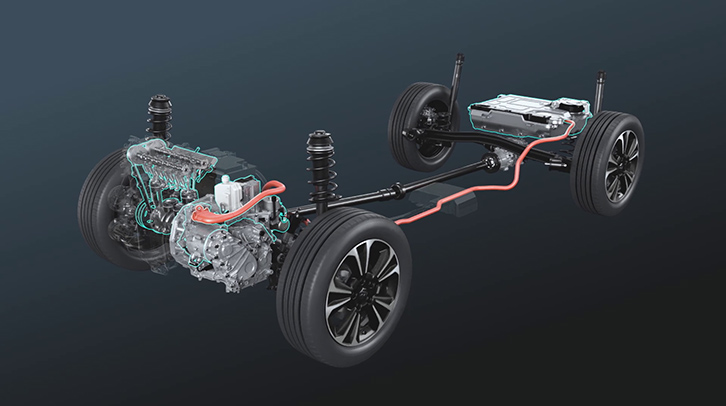
A hybrid car uses both a petrol engine and an electric motor to power the vehicle. These systems work together automatically to improve fuel efficiency and reduce emissions.
Unlike fully electric vehicles, hybrids do not require external charging in most cases. Instead, they recharge their batteries through regenerative braking and engine-assisted charging while driving.
Common hybrid vehicle types include:
- Mild hybrids
- Full hybrids
- Plug-in hybrids
Each category offers different levels of electric driving capability and fuel savings.
How Hybrid Technology Works
Hybrid systems intelligently switch between electric power and petrol power depending on driving conditions.
Typical operation includes:
- Electric motor supports acceleration
- Petrol engine activates during higher speeds
- Regenerative braking recharges battery
- Automatic system optimization improves fuel efficiency
Drivers do not need to manually control the transition between power sources.
Advantages of Hybrid Cars
Hybrid vehicles offer several practical benefits for everyday driving and long-term ownership.
Major advantages include:
Improved fuel efficiency
Hybrid systems reduce fuel consumption by using electric assistance during low-speed driving and stop-and-go traffic conditions.
Lower emissions
Reduced reliance on petrol helps decrease carbon output compared to traditional vehicles.
Quiet operation
Electric assistance allows smoother and quieter city driving experiences.
Reduced engine wear
Electric motors support the engine during acceleration, lowering mechanical stress.
No external charging required in most hybrids
Self-charging capability makes hybrids convenient for drivers without access to charging infrastructure.
These benefits make hybrid vehicles especially attractive in urban environments.
Hybrid Cars vs Petrol Cars
Hybrid vehicles differ from petrol vehicles in several ownership aspects.
Key comparison areas include:
Fuel consumption
Hybrids generally consume less fuel in city driving conditions.
Maintenance
Hybrids may require less frequent brake servicing due to regenerative braking systems.
Driving experience
Hybrid vehicles offer smoother acceleration at lower speeds.
Purchase cost
Hybrid vehicles usually cost more initially but offer savings over time through reduced fuel usage.
Petrol vehicles remain advantageous for drivers who prioritize lower upfront cost.
Maintenance Requirements of Hybrid Vehicles
Hybrid vehicles are designed with durable battery systems and efficient powertrain management.
Routine maintenance typically includes:
- Engine oil replacement
- Brake inspection
- Cooling system servicing
- Battery system diagnostics
- Tire maintenance
Hybrid batteries are engineered for long service life and usually include extended manufacturer warranty coverage.
Compared to conventional vehicles, hybrids often experience reduced brake wear because regenerative braking assists in slowing the vehicle.
Fuel Savings in Real Driving Conditions
Hybrid vehicles perform best in urban traffic where frequent braking allows energy recovery through regenerative systems.
Drivers commonly experience fuel savings during:
- Stop-and-go traffic
- Short-distance commuting
- City navigation routes
- Congested highways
On long highway journeys, hybrids still offer efficiency improvements but with smaller gains compared to city driving.
Fuel savings depend on driving style, traffic conditions, and terrain.
Are Hybrid Cars Suitable for Long-Term Ownership
Hybrid vehicles are designed for durability and long-term usability. Manufacturers continue improving battery lifespan and reliability standards.
Factors supporting long-term ownership value include:
- Lower fuel consumption over time
- Reduced brake component wear
- Smooth transmission systems
- Reliable battery engineering
- Growing service network availability
Many hybrid owners report consistent performance even after several years of daily driving.
Who Should Consider Buying a Hybrid Car
Hybrid vehicles are ideal for drivers who:
- Drive regularly in city traffic
- Want better fuel efficiency without charging dependency
- Prefer environmentally responsible transportation
- Plan medium-to-long ownership duration
- Seek smoother driving experience
They are especially suitable for commuters balancing cost savings and convenience.
Frequently Asked Questions
Do hybrid cars require special fuel
Hybrid cars typically use standard petrol similar to conventional vehicles unless specified otherwise by the manufacturer.
Can hybrid vehicles run only on electric power
Full hybrids can operate on electric power alone for short distances at lower speeds depending on battery charge levels.
Is hybrid battery replacement expensive
Battery replacement costs vary by model, but most batteries last many years and are supported by long warranty coverage.
Are hybrid cars safe in extreme temperatures
Hybrid vehicles are designed with thermal management systems that help maintain battery performance in both hot and cold climates.
Do hybrids perform well on highways
Hybrid cars perform efficiently on highways, although their maximum fuel-saving advantage is usually seen in city traffic conditions.
Can hybrid cars tow trailers
Some hybrid vehicles support towing, but capacity depends on the specific model and manufacturer guidelines.
Is insurance more expensive for hybrid vehicles
Insurance costs vary depending on vehicle model, location, and coverage level, but many hybrids fall within standard premium ranges comparable to conventional vehicles.